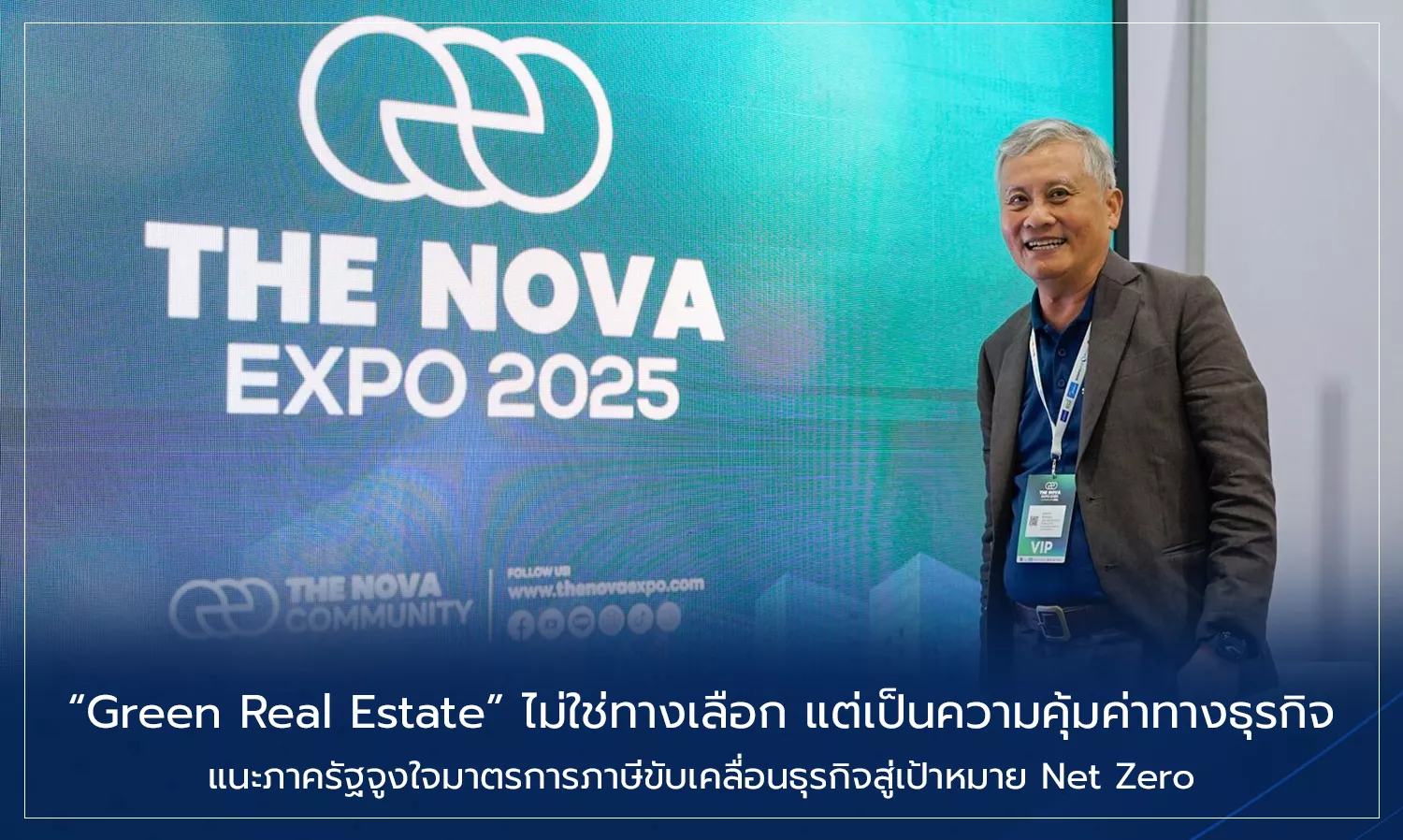
Green Real Estate: Not Just an Option, But a Worthwhile Investment for the Net Zero Era
As the world enters the Net Zero era, the shift towards sustainability is no longer just an "option" but a "necessity." Green real estate has become one of the key strategies that not only helps reduce carbon emissions but also enhances economic value and creates competitive opportunities for the future.
In many countries, environmentally friendly real estate is receiving serious support from both the public and private sectors. Thailand is following this path through the development of technology, innovation, and investment. EEC Engineering Network Co., Ltd. or EEC Academy, a private sector leader in this initiative, has partnered with leading organizations from both the public and private sectors, including Thai ESCO, the Thai Energy Management Association, to promote carbon neutrality in Thai real estate through a "Climate Finance and Investment" model. This will culminate in the major event of the year, The Nova Expo 2025, themed "Green Innovation Changing the World," showcasing green technologies for a sustainable future from March 12 to 14, 2025, at BITEC Bangna.
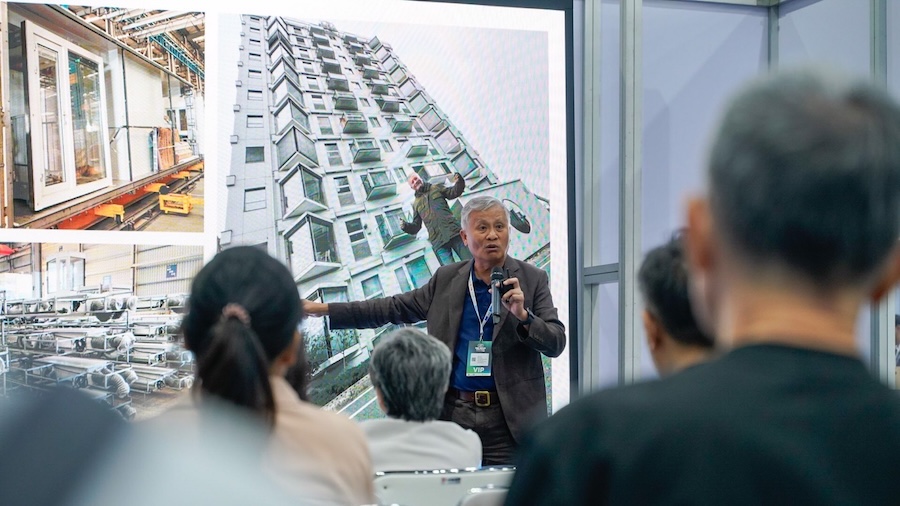
One of the key highlights of this event will be a seminar stage featuring over 40 topics, providing knowledge for entrepreneurs to transition their businesses into green real estate while maintaining environmental integrity and operational viability.
Change must "start today"; get the first button right!
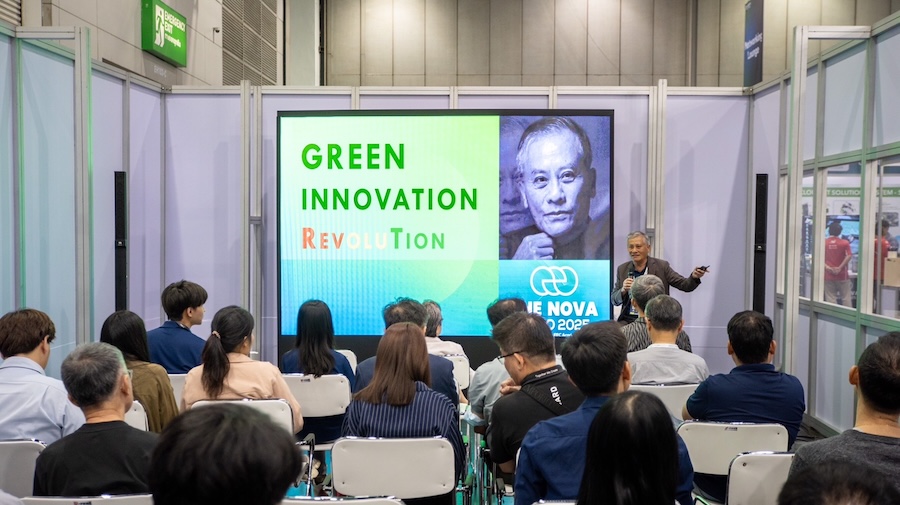
In the topic “Green Innovation Revolution,” presented by Dr. Kesha Thirakomen, CEO of EEC Engineering Network Co., Ltd. (EEC Academy), who is organizing The NOVA Expo 2025, it was revealed that the Thai construction industry emits between 30 to 50 million tons of carbon dioxide annually. When including Operational Carbon, the emissions could reach as high as 150 million tons per year. While many are aware of the severe global warming crisis and share similar concerns, there are still many who want to act but do not know where to start.
Therefore, to create change, we must "start today" and not just gradually transition but undergo a "revolution." This begins with getting the first button right, which is Design & Planning, by designing and planning processes that include:
- Green Construction Method and Material: The construction processes chosen to facilitate change.
- Green Innovation Technology: Selecting the right technologies to achieve maximum energy savings and carbon reduction.
- Green Operation Quality: Construction for the environment.
- Green Innovation Energy: The energy used, thus implementing systems like Cooling as a Service and Future of Clean Air innovations in buildings and condominiums will help reduce energy consumption and enhance business competitiveness.
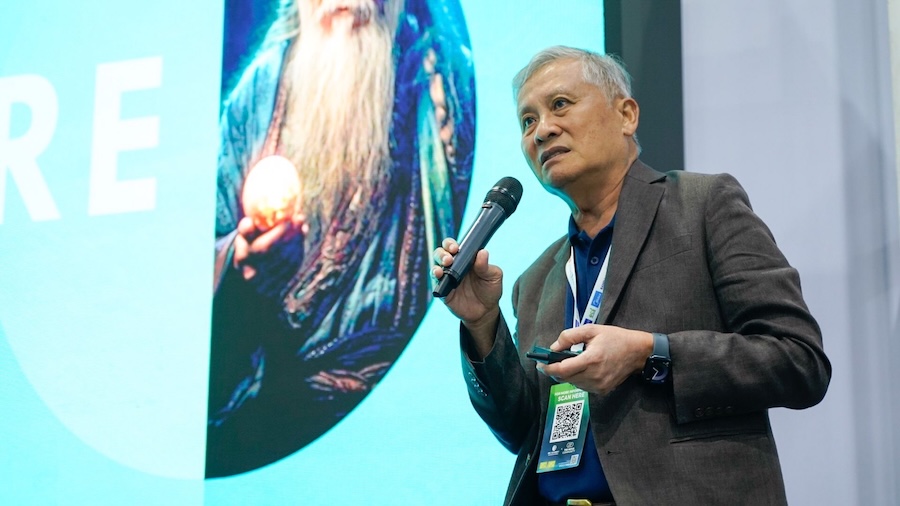
Environmental innovation is an Investment, not a Cost.
Dr. Kesha further stated that the first crucial factor is the "attitude" towards energy savings among most people, especially business owners who still view it as a "Cost" when installing technologies and equipment that require additional investment. This leads to a reluctance to adopt energy innovations in their businesses and projects. In reality, innovations that reduce carbon emissions are an "Investment" made today that can reduce energy consumption and benefit the planet while saving future energy costs. For instance, investing in solar panels may require an upfront cost but can lead to significant savings on electricity bills and a worthwhile return on investment over 5-7 years.
"Before 2000, it was considered a dark age. When discussing energy-saving systems and wastewater treatment with architects, no one was interested. Most architects focused on iconic designs and building identities rather than environmental considerations, such as installing glass around buildings that caused light reflection and environmental issues. It wasn't until after 2022 that we began to see a shift, with people starting to prioritize energy-efficient buildings and green architecture, culminating in the environmental movement that has gained momentum over the past five years," Dr. Kesha remarked.
However, the business sector must acknowledge that we are truly stepping into a new world today. We need to start understanding and adapting quickly before it becomes a dead horse theory, where a once-great horse dies, and people focus solely on how to revive it without moving forward or accepting reality. This is similar to many businesses that fail to adapt until they reach a point of closure, including the construction industry, which contributes at least 37% of carbon emissions and may face reduced business opportunities compared to competitors who adapt more swiftly.
Therefore, entrepreneurs should adapt and lead their businesses towards going green, reducing carbon emissions, and creating new business opportunities in line with ESG (Environment, Social, and Governance) principles, such as special interest rates from financial institutions for green businesses.
Challenges of Green Real Estate
Additionally, in the topic Real Estate and Urban Development: The Future of Green Real Estate Embracing Innovation for Sustainable Growth, Assoc. Prof. Dr. Sukulpath Koompaisarn from the Department of Real Estate Development Innovation, Faculty of Architecture and Planning, Thammasat University highlighted the "challenges" and "future" of green real estate, stating that developing environmentally friendly real estate projects is not just an option but a necessity that creates business value. Thus, the transition to sustainable real estate and the development of environmentally friendly projects pose challenges that the real estate business is currently facing, which can be categorized into three main issues: lack of awareness about environmentally friendly business practices, rising project development costs, and regulatory obstacles.
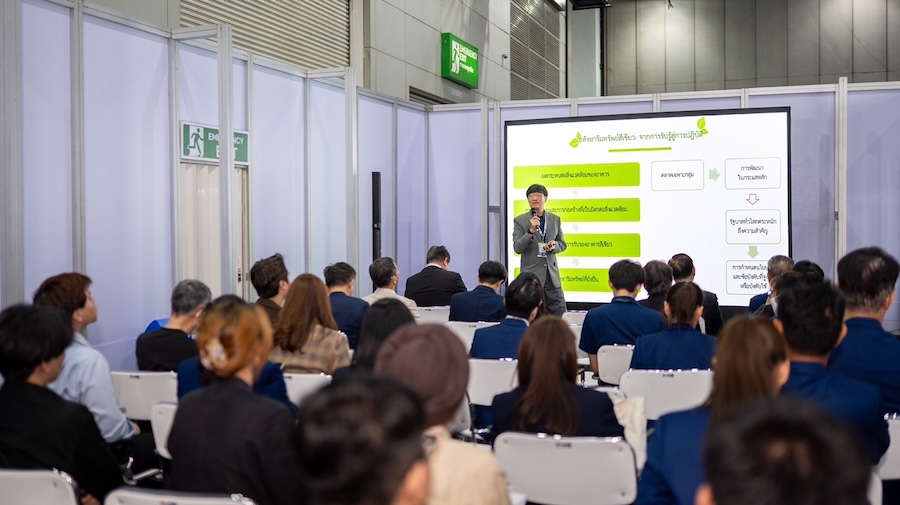
In the past, developers in the real estate sector primarily focused on investment value, leading to residential project development that prioritized securing the best locations and ensuring positive returns while minimizing losses. This resulted in a lack of consideration for how construction in those locations could impact the environment, parks, and surrounding communities to the extent of causing environmental damage.
As consumer awareness of environmental issues increases, a noticeable change is that developers are beginning to prioritize environmental considerations because they can no longer ignore consumer trends. They are starting to adapt by incorporating green building concepts and utilizing hydrogen energy in residential projects, which can help save energy. Projects are being designed from the outset to be passive designs, such as planting dust-reducing trees, selecting natural materials, and employing technologies that minimize environmental impact, including choosing energy-saving equipment to reduce PM2.5 dust pollution.
"For the future of sustainable real estate, the strictness of environmental regulations in Thailand remains a significant issue. While governments worldwide are beginning to recognize environmentally friendly real estate and are establishing concrete policies and regulations to incentivize it, there is also a growing consumer demand for sustainable real estate, continuous innovation development, and collaboration among stakeholders to create scalable and cost-effective solutions,"
It is evident that developing environmentally friendly real estate (Eco-Friendly Homes) and advancing green technology, along with the increase in green certification programs, will help consumers access green real estate more easily and affordably.
If developers do not change their business practices, they may face pressure from the global community, starting with designing using environmentally friendly materials and ensuring compliance with green building standards like LEED (Leadership in Energy and Environmental Design). Buildings that prioritize environmental considerations can command rental prices approximately 10% higher, while the costs associated with environmental development increase by only about 5%.
SCG Urges Private Sector, Construction Industry, and Manufacturers to Collaborate Towards Net Zero Goals
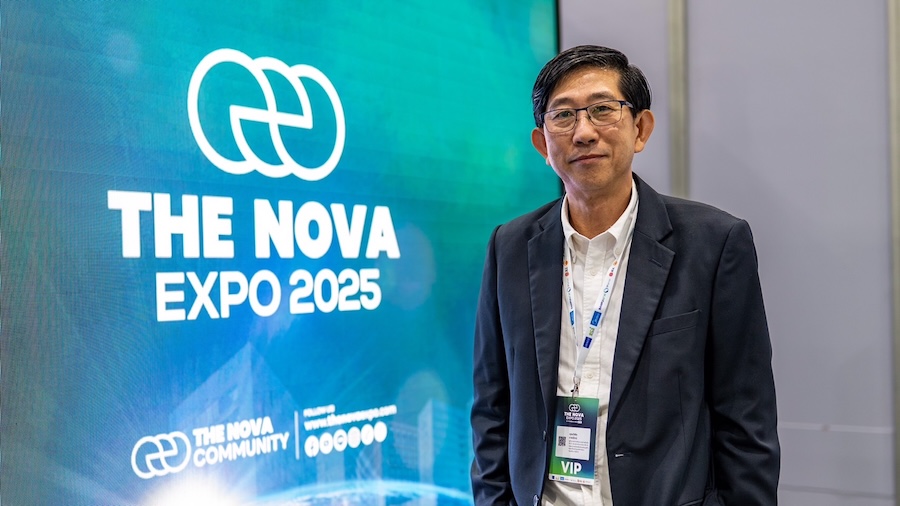
In the lecture titled “Pathway to Net Zero Carbon Emissions in the Construction Industry” (Net Zero C Construction), we were honored to have Wichai Rairattan, Director of Sustainable Development at SCG and Secretary-General of the Circular Economy Cooperation Network in the Construction Industry (CECI), who reflected that for Thailand to achieve Net Zero in construction in the future, it must stem from the collaboration and commitment of each company aiming to reduce carbon emissions. There must be mutual support and collaboration, along with data sharing, because the most crucial factor is cost. If the volume of management cannot be increased, it will affect fixed costs, which are the main expense and relatively high.
Therefore, if there is a supportive market, demand, and collaborative efforts, everyone can move forward in the exchange process, leading to reduced costs and prices adjusting to be more reasonable compared to the current situation. Each company already has a goal of reaching Net Zero, but if there are targets without the ability to sell, progress cannot be made. The key is to have demand from building owners who are committed to developing low-carbon buildings.
Furthermore, the government must support operators in developing low-carbon buildings, such as reducing costs related to management that do not increase expenses for building owners or possibly implementing regulations that require materials to be recycled or increasing carbon measurement that will impact taxes to be borne. Such approaches will encourage everyone to enter the system more quickly and benefit the overall economy of Thailand, allowing foreign countries or multinational companies to credit Thailand for its serious and effective carbon reduction management.
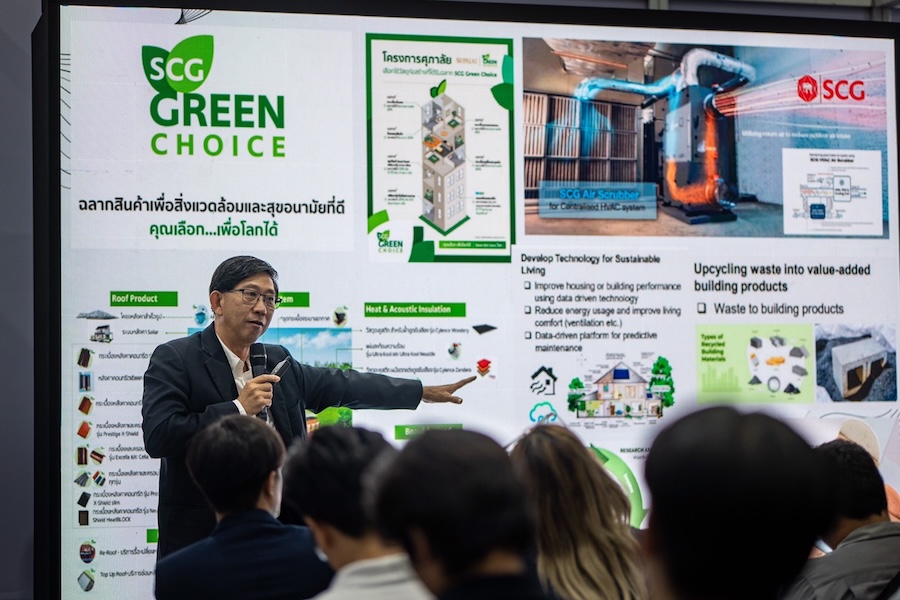
Conversely, if Thailand does not promote clean energy that helps reduce carbon emissions, foreign companies may relocate their production bases to other countries. The promotion strategy may need to be a long-term policy or a primary agenda for Thailand.
As for the approach to help the private sector reduce carbon emissions or minimize the amount of carbon released into the atmosphere, it is essential to focus on efficient electricity use and sourcing clean energy both within and outside buildings, such as utilizing solar energy to help reduce carbon emissions. In one building, different factors contribute to carbon emissions, such as Operation Carbon from energy use within the building, which accounts for approximately 28%, and another 11% comes from Embodied Carbon (the carbon footprint measured throughout the life cycle of the product). Choosing environmentally friendly materials is crucial. For example, roofing tiles are expected to have reduced carbon emissions in the next 10 years due to cleaner energy production processes.
At the same time, incorporating technology and digital systems into buildings will significantly enhance energy savings. These systems can manage energy use based on the density of people in each building and support energy-efficient buildings, such as the One Bangkok project, which employs technology to manage the entire building.
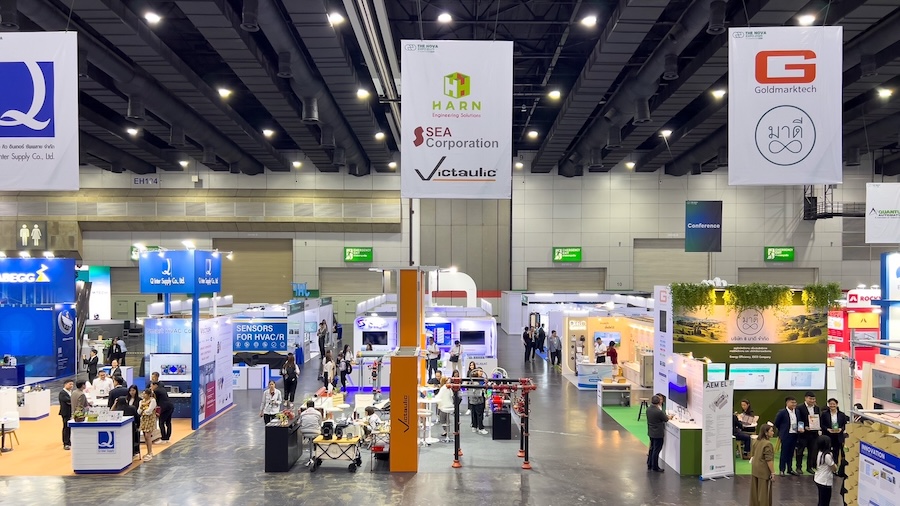
Thus, the processes to accelerate awareness include taxation and competition. In the future, we may see products indicating carbon emissions more prominently for consumers or users. The event "The NOVA Expo 2025: Green Innovation Changing the World" is the first and only event in Thailand ready to provide both knowledge and practical guidelines for a green global society, taking place from March 12 to 14, 2025, at Hall 103 - 104, BITEC Bangna, Bangkok.